


















🏢 The Rise of Remote Work and the Future of Hybrid Offices
A few years ago, working from home was a luxury. Today, it’s a global norm.
The COVID-19 pandemic didn’t just change the way we live—it revolutionized how we work. Remote work went from a temporary fix to a long-term shift in workplace culture. And now, companies around the world are embracing hybrid models that blend remote and in-office work.
But what does this mean for the future of work? Let’s break it down.
💼 The Acceleration of Remote Work
Before 2020, remote work was slowly gaining popularity. But once lockdowns hit, companies had to act fast:
- Video conferencing tools like Zoom, Google Meet, and Microsoft Teams became essentials
- Digital collaboration tools (Slack, Trello, Notion) kept teams connected
- Employees restructured their homes into workspaces—almost overnight
And guess what? Many businesses found that remote work actually worked.
📊 The Benefits of Remote Work
Why are so many companies sticking with it?
- Increased productivity – Fewer office distractions and no commute
- Lower costs – Businesses save on rent, utilities, and resources
- Wider talent pool – Companies can now hire talent from anywhere in the world
- Improved work-life balance – Employees have more flexibility and control
Remote work has shown that work doesn’t have to happen in an office to be effective.
🔄 Enter the Hybrid Model
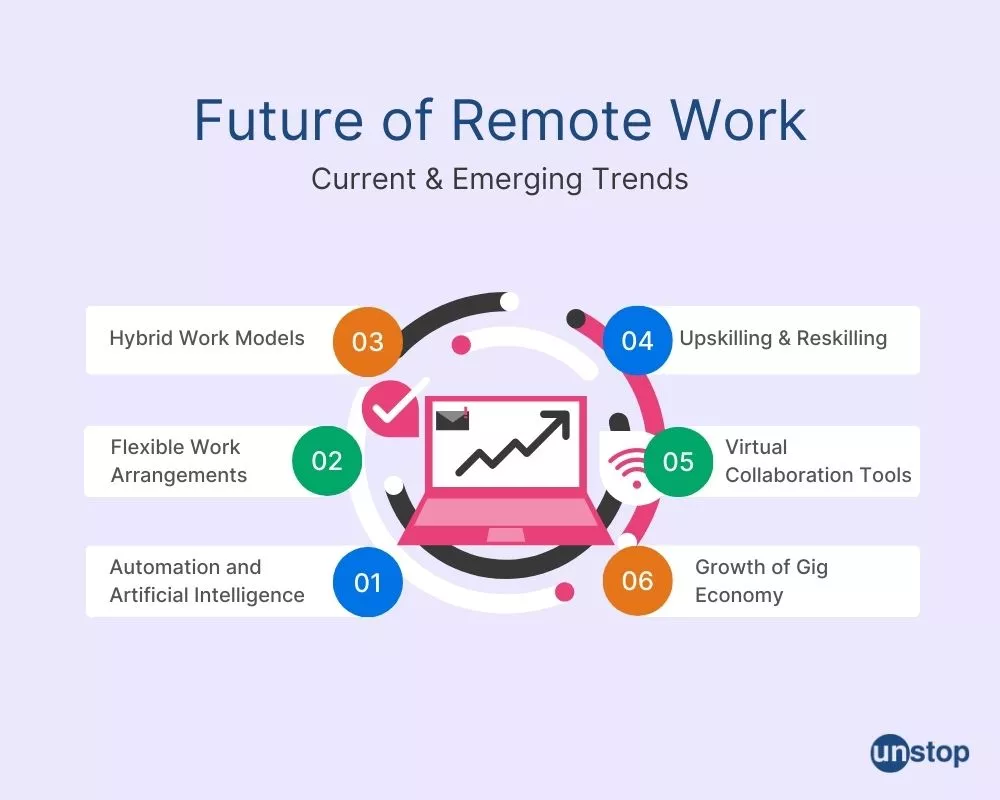
While remote work offers many perks, it’s not perfect. That’s where hybrid work comes in—a blend of remote and on-site schedules that provides the best of both worlds.
Popular hybrid models include:
- Split-week: Employees come in 2–3 days per week
- Flexible choice: Workers choose when and where they work
- Team-based rotation: Different teams take turns working remotely
Hybrid models allow businesses to maintain office culture while offering employees the flexibility they now expect.
🏢 How Offices Are Adapting
With fewer people coming in daily, physical office spaces are transforming:
- Hot desking: Shared workstations instead of assigned desks
- Smaller office footprints: Downsizing to reduce real estate costs
- Tech-equipped spaces: More video conferencing rooms, smart whiteboards, and collaboration hubs
- Health & wellness design: Improved air circulation, sanitization stations, and wellness-focused architecture
The office is no longer just a place to sit—it’s becoming a hub for collaboration, creativity, and culture.
⚖️ Challenges of Hybrid Work
Of course, hybrid work comes with its own set of challenges:
- Communication gaps between in-person and remote workers
- Scheduling coordination for meetings and team syncs
- Maintaining company culture when teams are scattered
- Employee monitoring vs. trust – striking the right balance
Organizations need to be intentional about creating inclusive, equitable experiences—regardless of location.
🌐 The Future of Work Is Flexibility
Companies like Google, Microsoft, Apple, and Twitter are all experimenting with different versions of hybrid models. Meanwhile, fully remote companies like GitLab and Basecamp continue to grow.
The key takeaway?
The future of work is flexible, digital-first, and people-centric.
Employers must rethink how they measure productivity, build trust, and foster collaboration in a world where not everyone is in the same room.
🔚 Final Thoughts
Remote work isn’t a temporary fix anymore—it’s a permanent evolution in the way we work. The hybrid office model allows companies to stay agile while respecting employees’ preferences and productivity.
As long as businesses stay open to change, continue listening to their teams, and invest in the right tools, the future of work looks not just different—but better.
Would you prefer to work remotely, hybrid, or full-time in an office?
Let us know in the comments below or tag us in your work-from-home setup with #RemoteLife