


















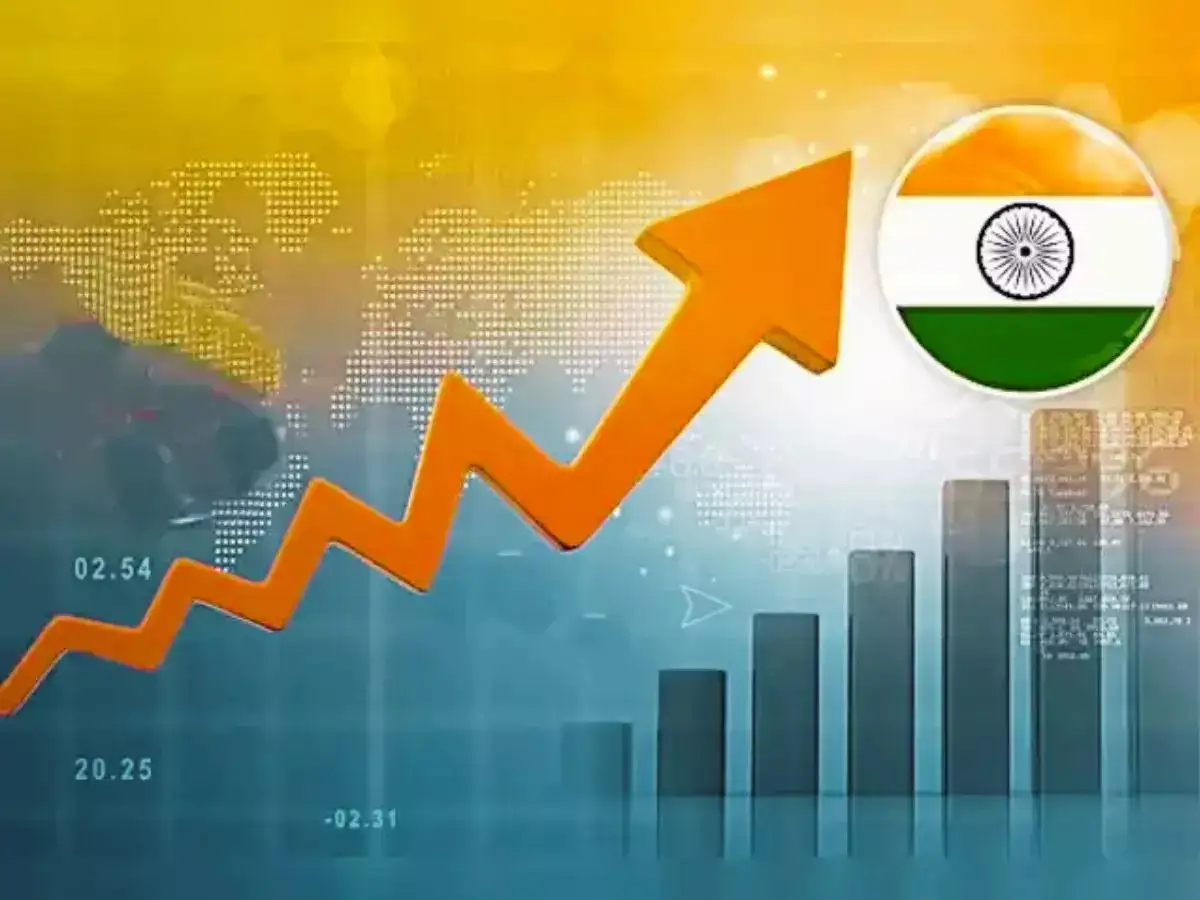
The Reserve Bank of India (RBI) has maintained its real GDP growth projection for the fiscal year 2024–25 at 7.2%, despite a slight moderation in the first quarter. The central bank anticipates a rebound in the latter half of the fiscal year, with growth rates of 7.4% in both Q3 and Q4, and 7.3% in Q1 FY26. This optimistic outlook is underpinned by several key factors:
- Private Consumption: A significant driver of India’s growth, bolstered by improved agricultural output and rural demand.
- Government Expenditure: Increased capital expenditure by both central and state governments, aligning with the Union Budget’s focus on infrastructure development.
- Investment Activity: Positive momentum in private sector investments, supported by consumer and business optimism, healthy corporate balance sheets, and sustained capital expenditure initiatives.
- Services Sector: Continued buoyancy in services, contributing to urban demand and overall economic activity.
📉 Inflation Trends and Monetary Policy Adjustments
Inflation, as measured by the Consumer Price Index (CPI), has shown signs of moderation, providing the RBI with room to adjust its monetary policy. The central bank projects CPI inflation to moderate to 4.5% for FY25, aligning with its medium-term target. This easing inflationary pressure has led to:
- Monetary Policy Stance: The RBI has shifted its stance to ‘neutral’, indicating a balanced approach to supporting growth while ensuring price stability.
- Interest Rate Cuts: Anticipation of further rate cuts in the coming months, with some economists forecasting a reduction to 5.00%, depending on evolving economic conditions.
🏗️ Sectoral Performance and Economic Indicators
High-frequency indicators suggest a mixed yet cautiously optimistic economic environment:
- Agriculture: A 10.3% year-on-year increase in the area under cultivation during the 2024–25 kharif season, particularly in key crops like paddy, pulses, oilseeds, sugarcane, and cotton.
- Rural Demand: Strengthened by rising farm incomes, with notable growth in FMCG sales and improved rural wage growth.
- Urban Demand: Recovery observed in urban areas, with increased consumer spending and investment activity.
- Industrial Activity: Indicators such as the Purchasing Managers’ Index (PMI) and industrial production data point towards a gradual recovery in manufacturing and infrastructure sectors.
🌐 Global Economic Environment and Risks
While domestic factors provide a solid foundation for growth, external challenges remain:
- Global Trade Uncertainties: Escalating trade tensions, particularly involving major economies like the U.S. and China, could impact India’s export performance and supply chains.
- Commodity Prices: Fluctuations in global oil and metal prices may affect inflation and the cost structure of various industries.
- Geopolitical Risks: Ongoing geopolitical tensions could lead to volatility in global markets, influencing investor sentiment and capital flows.
🔮 Future Outlook
Looking ahead, the RBI’s projections suggest that India is poised to remain the fastest-growing major economy globally, with growth estimates ranging from 6.5% to 6.7% for FY26. Key factors influencing this outlook include:
- Monsoon Forecasts: Favorable monsoon predictions could support agricultural output and rural consumption.
- Policy Support: Continued focus on infrastructure development and investment facilitation measures.
- Structural Reforms: Ongoing efforts to enhance ease of doing business, labor market flexibility, and agricultural sector reforms.
🧾 Conclusion
The latest RBI report presents a cautiously optimistic view of India’s economic trajectory. While challenges persist, the combination of strong domestic consumption, supportive government policies, and a resilient services sector provides a solid foundation for sustained growth. Stakeholders are advised to remain vigilant to global developments and domestic policy shifts that may influence the economic landscape in the coming months.