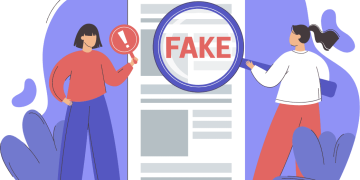

















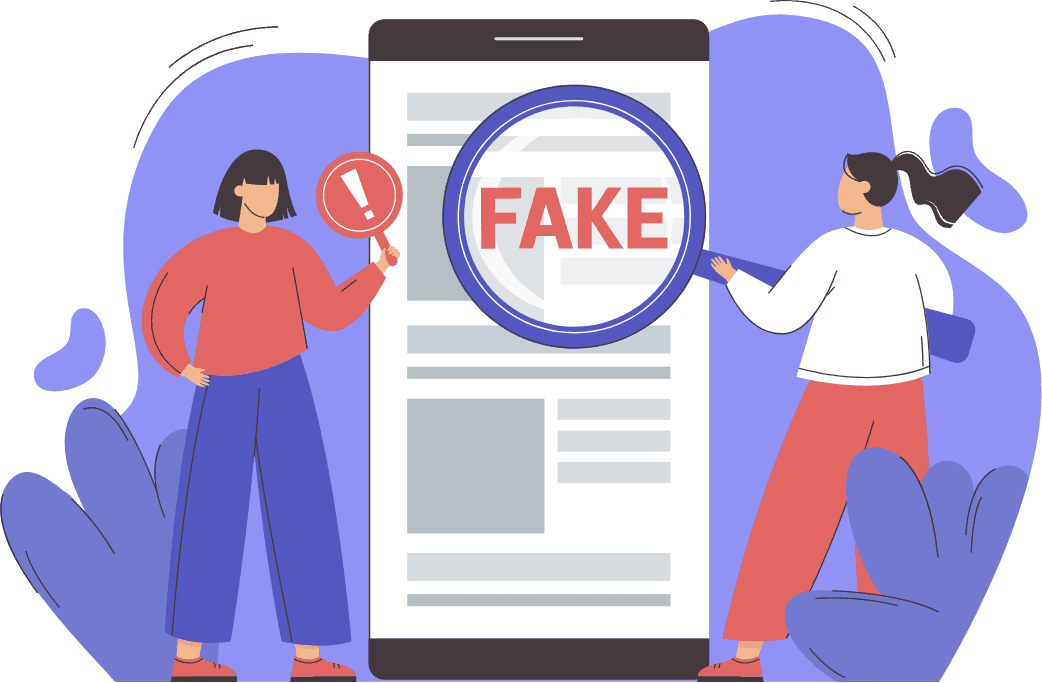
In today’s digital world, where information spreads in seconds, misinformation can go viral before the truth even gets a chance to catch up. That’s why fact-checking has become one of the most vital pillars of modern journalism.
Let’s dive into how fact-checking works and why it’s more critical than ever.
🧠 Why Misinformation Spreads So Easily
- Social media algorithms favor engagement, not accuracy.
- People tend to share emotionally charged content, even if it’s false.
- Echo chambers reinforce biases, making it harder to accept opposing facts.
- Lack of media literacy makes audiences vulnerable to false claims.
🛠️ How Fact-Checking Works
- Source verification: Journalists check the origin and credibility of information.
- Cross-referencing with reliable data: Claims are compared against official records, expert opinions, and databases.
- Context matters: Fact-checkers clarify whether information is misleading, outdated, or taken out of context.
- Transparency: Good fact-checking includes citing sources and explaining the reasoning.
🌍 Leading Fact-Checking Organizations
- PolitiFact
- Snopes
- Alt News (India)
- Boom Live
- AFP Fact Check
These organizations provide resources to help audiences verify information independently.
📉 Consequences of Misinformation
- Erodes public trust in media
- Fuels polarization and confusion
- Can lead to real-world harm (e.g., during elections or health crises)
✍️ Final Thoughts
Fact-checking isn’t just a journalistic tool — it’s a public service. In the age of misinformation, media outlets and individual users alike have a responsibility to verify before sharing.