








































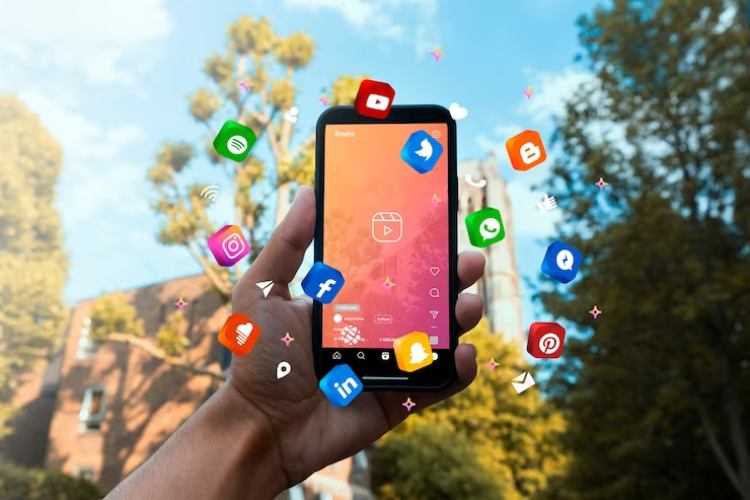
In today’s fast-moving digital world, social media isn’t just a communication tool — it’s become a powerful force in journalism. From breaking news to public debates, platforms like Twitter, Facebook, Instagram, and YouTube are dramatically reshaping how news is reported, shared, and consumed.
Let’s explore how this transformation is taking place.
📲 News Breaks First on Social Media
Gone are the days when people waited for the evening news or the morning paper. Now, breaking stories often surface on social platforms minutes or even hours before traditional outlets report them.
For example:
- A citizen tweets about an earthquake before seismic data is released.
- Video of a protest goes viral before any news crew arrives.
- Celebrities or public figures post their own statements, bypassing journalists entirely.
This immediacy makes social media the go-to source for real-time information, especially during crises.
🧠 Journalists Use Social Media for Research & Reporting
Today’s reporters don’t just watch press conferences—they scroll feeds, join groups, and follow hashtags.
Social media helps journalists:
- Monitor trending topics
- Identify sources and eyewitnesses
- Track public opinion and sentiment
- Share their own stories and build personal brands
In many newsrooms, Twitter is considered an essential reporting tool, not just a promotion channel.
📢 Everyone Has a Voice
One of the biggest changes social media has brought to journalism is audience participation. Anyone can now:
- Share their perspective on news
- Challenge media narratives
- Fact-check or call out misinformation
- Livestream events as they unfold
This two-way communication has opened journalism to more voices, especially from marginalized communities and regions often ignored by mainstream media.
⚖️ The Challenges: Misinformation & Speed vs. Accuracy
But there’s a downside.
With news breaking fast, the race to be first often sacrifices accuracy. Unverified stories, doctored videos, and rumors can spread rapidly, creating confusion and distrust.
Journalists and readers now face a dilemma:
Is it true, or just trending?
Responsible journalists must now work even harder to verify facts, correct errors quickly, and educate audiences on identifying fake news.
🧰 Social Media as a Journalism Toolset
Here’s how modern journalists use social media platforms:
| Platform | Use Case |
|---|---|
| Live updates, source gathering, fact-checking | |
| Community reporting, long-form posts | |
| Visual storytelling, behind-the-scenes | |
| YouTube | Video journalism, interviews, explainers |
| Thought leadership, industry trends |
🌐 Newsrooms Are Adapting
To stay relevant, traditional media outlets have:
- Created dedicated social media teams
- Started live streaming press briefings
- Encouraged journalists to build personal social followings
- Prioritized mobile-first storytelling
The boundary between journalist and influencer is becoming blurry—and in some cases, that’s intentional.
✍️ Final Thoughts
Social media has transformed journalism from a top-down industry into a participatory, dynamic, and fast-paced ecosystem. While it presents serious challenges—especially in maintaining credibility—it also offers powerful tools for democratizing information and connecting with audiences like never before.
The future of journalism isn’t just on the front page—it’s in your pocket.