









































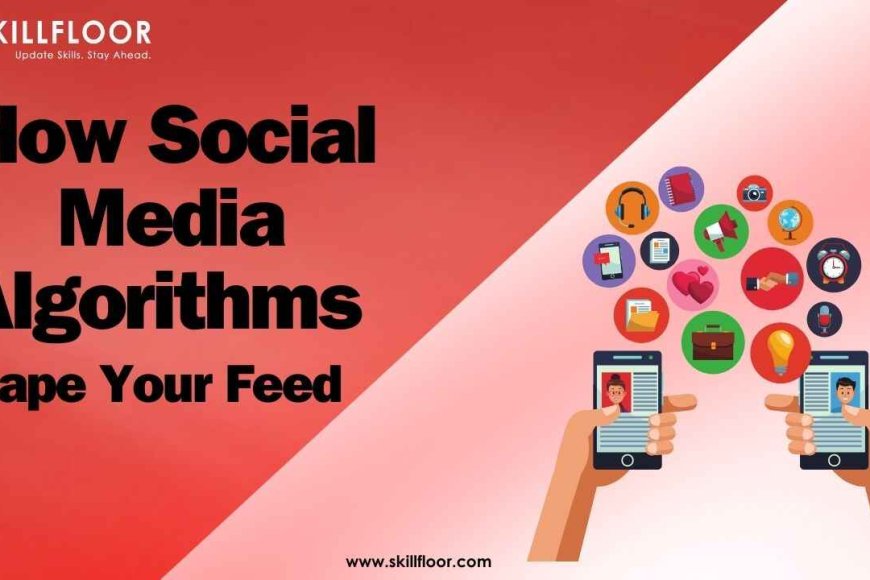
In the digital age, social media platforms have become major sources of news for millions worldwide. But behind the scenes, complex algorithms decide what content users see — shaping their news consumption in profound ways.
Let’s explore how social media algorithms impact what we read and believe.
🤖 What Are Social Media Algorithms?
Algorithms are sets of rules and calculations that platforms like Facebook, Twitter, and Instagram use to personalize your feed. They analyze your behavior — likes, shares, clicks — to show content that keeps you engaged.
📉 How Algorithms Shape News Consumption
- Filter bubbles: Algorithms tend to show users news that aligns with their views, limiting exposure to diverse perspectives.
- Echo chambers: This reinforcement of existing beliefs can deepen polarization and reduce critical thinking.
- Viral misinformation: Sensational or emotionally charged content often spreads faster, sometimes regardless of accuracy.
- Selective visibility: Important but less engaging stories may get buried under trending content.
🛠️ The Role of Platforms and Users
Platforms are under pressure to:
- Improve transparency about how algorithms work
- Promote reliable news sources
- Offer users more control over their feed preferences
Meanwhile, users can:
- Diversify their news sources
- Actively seek out different viewpoints
- Be critical of sensational headlines
⚠️ Challenges Ahead
Balancing user engagement with responsible news distribution remains a key challenge. Algorithms will continue evolving, but ethical design and user awareness are crucial for a healthier news ecosystem.
✍️ Final Thoughts
Social media algorithms significantly influence what news reaches us. Understanding their power can help us make informed choices about the information we consume and share.