




























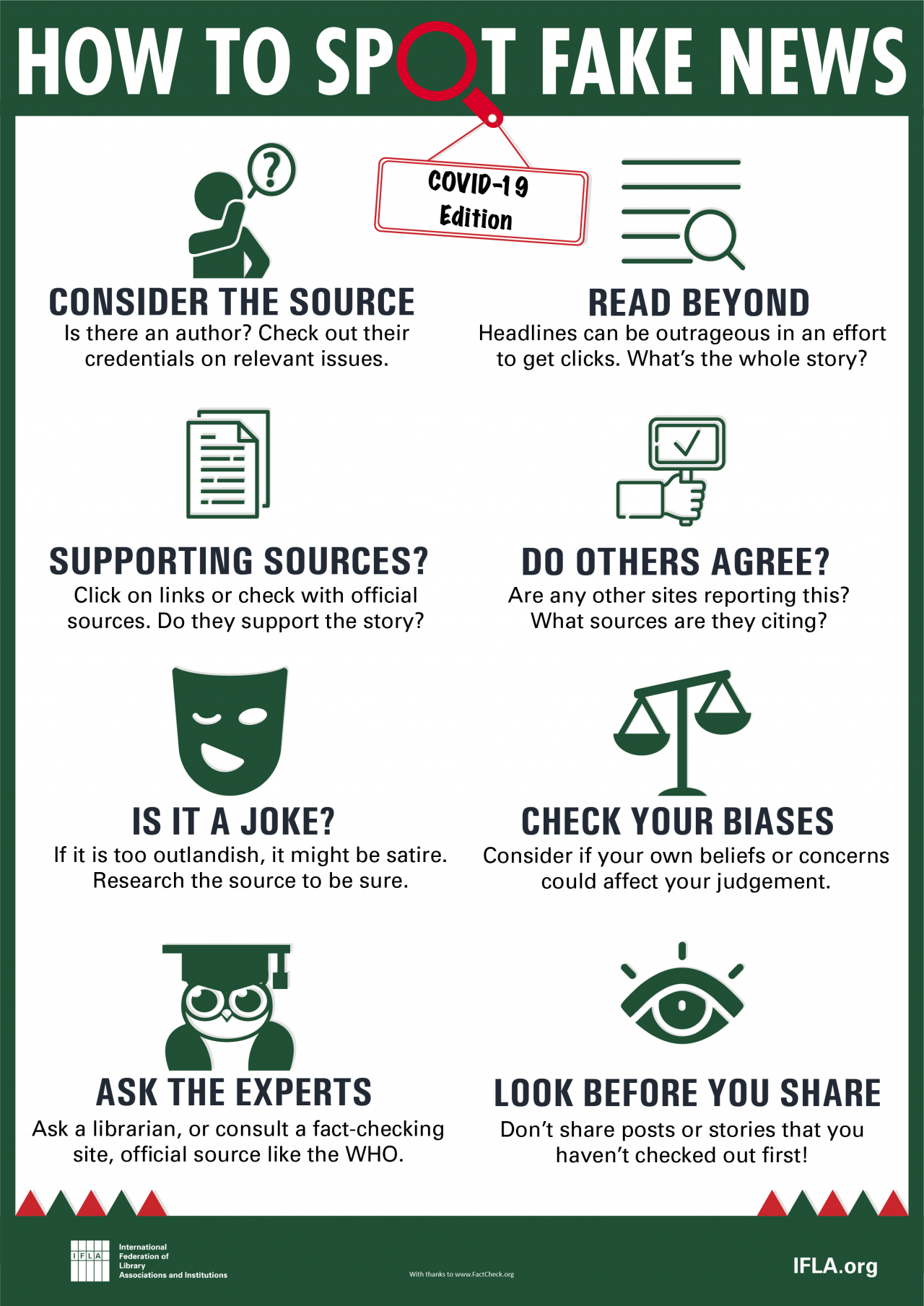
In a world flooded with information, spotting fake news is a skill everyone needs. With misinformation spreading faster than ever, knowing how to separate truth from fiction is essential — not just for journalists, but for everyday readers too.
Here’s a practical, easy-to-follow guide to help you become a more critical consumer of news.
🧭 1. Check the Source
- Is it a reputable outlet? Stick to known, credible news organizations.
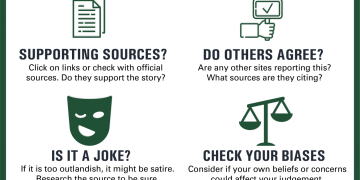
- Verify the URL. Watch out for fake domains like
abcnews.com.co. - Look up the site’s “About” page to learn who runs it and what their agenda may be.
🧠 2. Read Beyond the Headline
- Headlines can be clickbait or intentionally misleading.
- Read the full article to understand the context and verify the claims.
🔍 3. Check the Author
- Is the author real? Google their name.
- Do they have credentials or a history of publishing reliable content?
🧪 4. Verify the Information
- Look for dates, locations, and data sources in the story.
- See if other credible outlets are reporting the same story.
- Use fact-checking websites like:
📸 5. Inspect the Media
- Reverse image search on Google or TinEye to see where an image originally came from.
- Be cautious of edited or out-of-context photos and videos (common in fake news).
💬 6. Examine the Language
- Is the tone sensational, angry, or emotionally charged?
- Fake news often uses strong language to provoke a reaction or incite fear.
🗓️ 7. Check the Date
- Misinformation often uses old news to stir current outrage.
- Ensure the story is recent and relevant.
🛠️ 8. When in Doubt, Don’t Share
If something seems suspicious or too outrageous to be true, pause before sharing. One careless forward can spread false information to thousands of others.
📝 Final Thoughts
Spotting fake news isn’t just a skill — it’s a responsibility. As a reader, your attention is valuable. Use it wisely. A more informed public begins with individuals who think critically and verify before they trust.