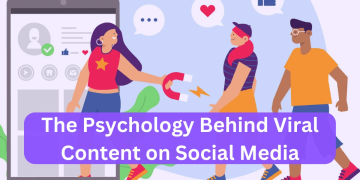





































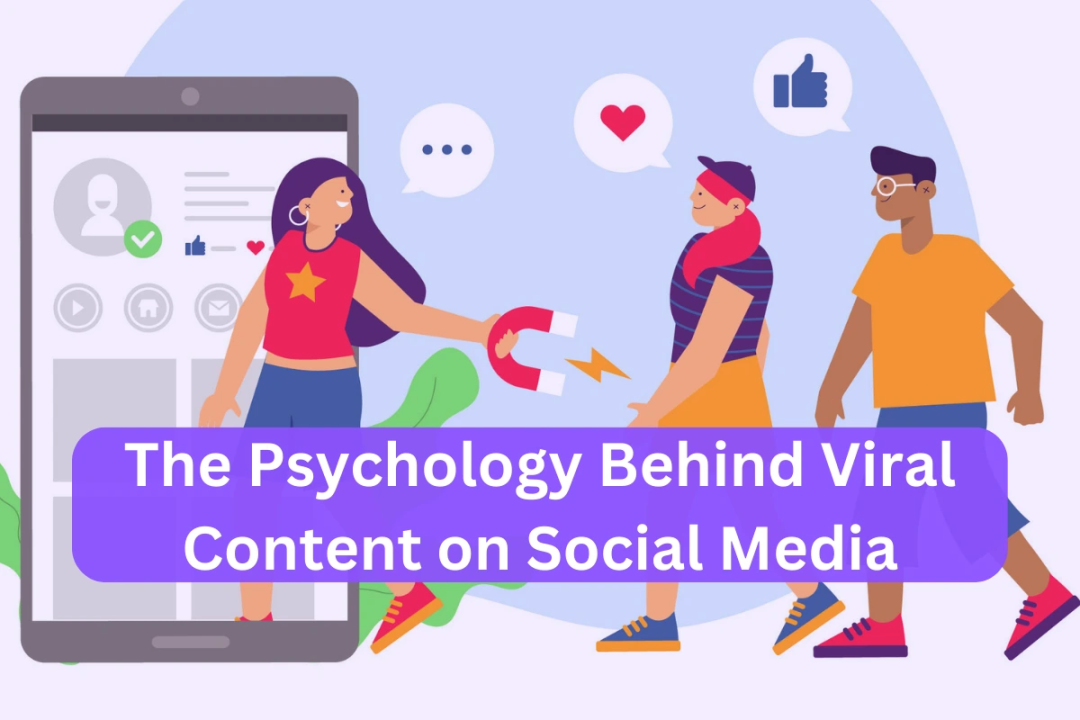
From ice bucket challenges to lip-sync dances, social media trends spread like wildfire. But have you ever wondered why certain trends go viral while others barely make a ripple?
The answer lies in psychology — a mix of emotions, attention, and connection. Let’s break it down.
🧠 1. The Power of Social Proof
Humans are social creatures. When we see others — especially peers or influencers — participating in something, we subconsciously think, “Maybe I should too.”
This is called social proof, and it drives us to:
- Try trending challenges
- Share viral memes
- Mimic behaviors seen on platforms like TikTok or Instagram
The more people doing it, the more likely we are to join in.
😂 2. Emotions Drive Engagement
Content that triggers strong emotions — joy, awe, anger, surprise — is far more likely to be shared. Virality is rarely logical; it’s emotional.
Viral trends often:
- Make us laugh (think: meme culture)
- Shock or surprise us
- Inspire or tug at our hearts
When content feels something, we hit share without a second thought.
⏳ 3. FOMO is Real
The Fear of Missing Out (FOMO) is a powerful motivator. No one wants to be left behind or feel out of the loop, especially online.
So when a trend hits:
- We’re more likely to engage just to “be part of it”
- Even if we don’t fully understand it, we mimic it anyway
This urgency fuels the spread of a trend.
🧩 4. Relatability and Simplicity
The best viral content is often:
- Easy to understand
- Simple to replicate
- Universally relatable
The “Tell Me Without Telling Me” trend, or the “10-Year Challenge” worked because anyone could do it. No fancy tools or special skills needed.
🔄 5. Algorithmic Boost
Platforms like TikTok, Instagram Reels, and YouTube Shorts are designed to reward viral behavior. If content gets:
- Fast likes or shares
- Long watch time
- Comments and duets
…it gets pushed to more people. This creates a loop where the viral becomes more viral.
📱 6. Identity and Expression
Social trends give people a chance to:
- Show off creativity
- Share opinions or humor
- Align with a community or movement
Viral participation isn’t just copying — it’s a form of digital self-expression.
🧬 Final Thoughts
Virality is a mix of timing, psychology, and platform mechanics. Behind every catchy trend is a complex web of human behavior and emotional triggers.
So the next time a dance, challenge, or meme blows up, you’ll know: it’s not just random — it’s psychology in motion.