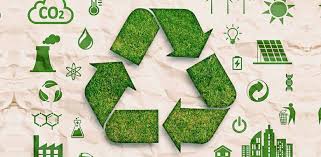










































In recent years, sustainable fashion has shifted from a niche movement to a powerful force reshaping the global fashion industry. Consumers, designers, and brands are increasingly embracing eco-friendly practices — but what’s driving this change, and why does it matter?
Let’s explore the rise of sustainable fashion and its impact on the planet and people.
🌍 1. Why Sustainable Fashion?
Traditional fashion is one of the world’s largest polluters, responsible for:
- Massive water consumption
- Toxic chemical use
- Fast fashion waste piling up in landfills
Sustainable fashion aims to reduce these impacts by promoting ethical sourcing, eco-friendly materials, and longer-lasting designs.
♻️ 2. Key Trends in Sustainable Fashion
- Organic and recycled fabrics: Cotton, hemp, and recycled polyester are gaining popularity.
- Slow fashion movement: Emphasizing quality over quantity and timeless styles.
- Circular fashion: Brands encouraging repair, resale, and recycling to keep clothes out of the trash.
- Transparent supply chains: Consumers want to know where and how their clothes are made.
👗 3. Brands Leading the Way
Many big names and startups alike are committing to sustainability. Examples include:
- Patagonia’s commitment to repair and recycle
- Stella McCartney’s use of cruelty-free materials
- Smaller brands focusing on handmade, fair-trade products
💡 4. Consumer Role: Conscious Choices
Sustainable fashion isn’t just about brands — it’s about consumers too. Making informed choices can include:
- Buying less but better quality
- Choosing secondhand or vintage
- Supporting brands with ethical practices
🌱 5. The Bigger Picture
Sustainable fashion is more than just a trend — it’s a necessary shift toward a healthier planet and fairer industry. As awareness grows, so does the hope for a future where fashion and environmental responsibility go hand in hand.