









































🔌 Introduction
India’s electric vehicle sector is rapidly accelerating, driven by government incentives, rising environmental awareness, and technological advances. By 2025, EV adoption has expanded beyond two-wheelers to include cars, buses, and commercial vehicles. This article explores the latest trends, policy frameworks, infrastructure development, and challenges shaping India’s EV landscape.
🚗 Market Growth and Segments
- EV sales have surged, with two-wheelers dominating (~70%), followed by passenger cars and electric buses.
- Major manufacturers like Tata Motors, Ola Electric, Mahindra Electric, and international players are investing heavily.
- The shared mobility segment increasingly uses EVs to reduce emissions and operational costs.
🔋 Government Policies and Incentives
- The Faster Adoption and Manufacturing of Hybrid and Electric Vehicles (FAME-II) scheme provides subsidies and incentives for EV purchases.
- State-level policies encourage setting up EV manufacturing hubs and charging infrastructure.
- Tax benefits and reduced registration fees boost consumer adoption.
⚡ Charging Infrastructure Expansion
- Public and private sector collaboration is expanding charging stations across highways and urban centers.
- Innovations in fast-charging and battery swapping technology improve convenience.
- Renewable energy integration for charging reduces carbon footprint.
🌱 Environmental and Economic Impact
- EVs contribute to reducing urban air pollution and carbon emissions.
- Growth of the EV industry creates jobs in manufacturing, battery production, and maintenance.
- Challenges include battery disposal, raw material sourcing, and grid capacity.
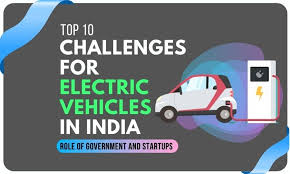
🔧 Challenges and Road Ahead
- High upfront costs and limited consumer awareness remain hurdles.
- Need for localized battery manufacturing and recycling facilities.
- Improving range and charging time critical for mass adoption.
🧠 Final Thought
India’s EV journey is gaining momentum, with strong government support and innovation driving growth. Continued focus on infrastructure, technology, and policy will be key to realizing a sustainable and electrified transport future.