


















In an era where news travels at lightning speed and videos often go viral within minutes, deepfakes have become a serious threat to media credibility and public trust. These hyper-realistic fake videos, created using AI, can manipulate speech and appearance so well that even trained eyes struggle to detect them. But as deepfakes become more common, learning to spot them is now a digital survival skill.
What Are Deepfakes?
Deepfakes use deep learning (a form of artificial intelligence) to manipulate visual and audio content, typically swapping faces, altering voices, or mimicking real people in videos. With the help of generative adversarial networks (GANs), these AI tools can create videos that appear incredibly real—even when they’re 100% fake.
Why Deepfakes Are Dangerous in the News
- Spread of misinformation during elections, riots, or crises.
- Damage to public figures’ reputations by faking statements.
- Erosion of trust in authentic video journalism.
- Potential for blackmail, scams, or even international conflict.
How to Spot a Deepfake: 7 Key Clues
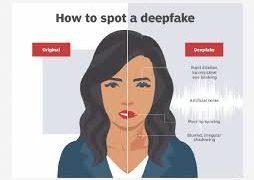
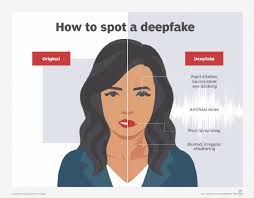
- Unnatural Blinking or Facial Movements
Deepfake algorithms often struggle with blinking, lip-syncing, or natural facial expressions. Look for awkward or robotic motion. - Mismatched Lighting and Shadows
Inconsistencies in lighting between the face and background, or shadows that fall oddly, can be telltale signs. - Inconsistent Skin Texture
Overly smooth or “plasticky” skin, especially around the eyes and mouth, may indicate algorithm-generated features. - Audio Mismatch
If the voice doesn’t quite match the mouth movements or seems too flat and emotionless, it could be fake. - Glitches and Flickers
Watch for digital artifacts, pixel distortions, or flickering around the face—common errors in AI-rendered videos. - Background Irregularities
Some deepfakes don’t focus on what’s behind the subject. Look for unnatural blurs or moving objects that behave oddly. - Reverse Image/Video Search
Tools like InVID or Google Reverse Search can help trace the origin of the content and reveal if it’s been altered or fabricated.
How to Protect Yourself from Deepfakes
- Verify with trusted news sources before sharing viral videos.
- Use fact-checking platforms like Alt News, BoomLive, or Factly in India.
- Educate others—especially older or non-tech-savvy users.
- Rely on browser extensions or AI tools like Deepware Scanner or Microsoft’s Video Authenticator.
Final Thoughts
Deepfakes are a new frontier in the battle against misinformation. As technology advances, so must our awareness. By learning how to spot fake videos and verifying what we see before sharing, we can help preserve the integrity of digital news and fight back against manipulation.