


















In recent years, the global push towards sustainability has brought a major spotlight on plastic waste, especially single-use plastics used in packaging. As awareness grows about the environmental impact of traditional plastic, industries worldwide are shifting towards innovative plastic alternatives that are not only eco-friendly but also practical for consumers and businesses.
The Problem with Traditional Plastic Packaging
Plastic packaging, while versatile and inexpensive, has become a major environmental concern. According to estimates, over 300 million tons of plastic are produced globally each year, much of which ends up in landfills or oceans, taking hundreds of years to decompose. This pollution threatens marine life, contaminates food chains, and contributes significantly to greenhouse gas emissions.
Enter Plastic Alternatives: What Are They?
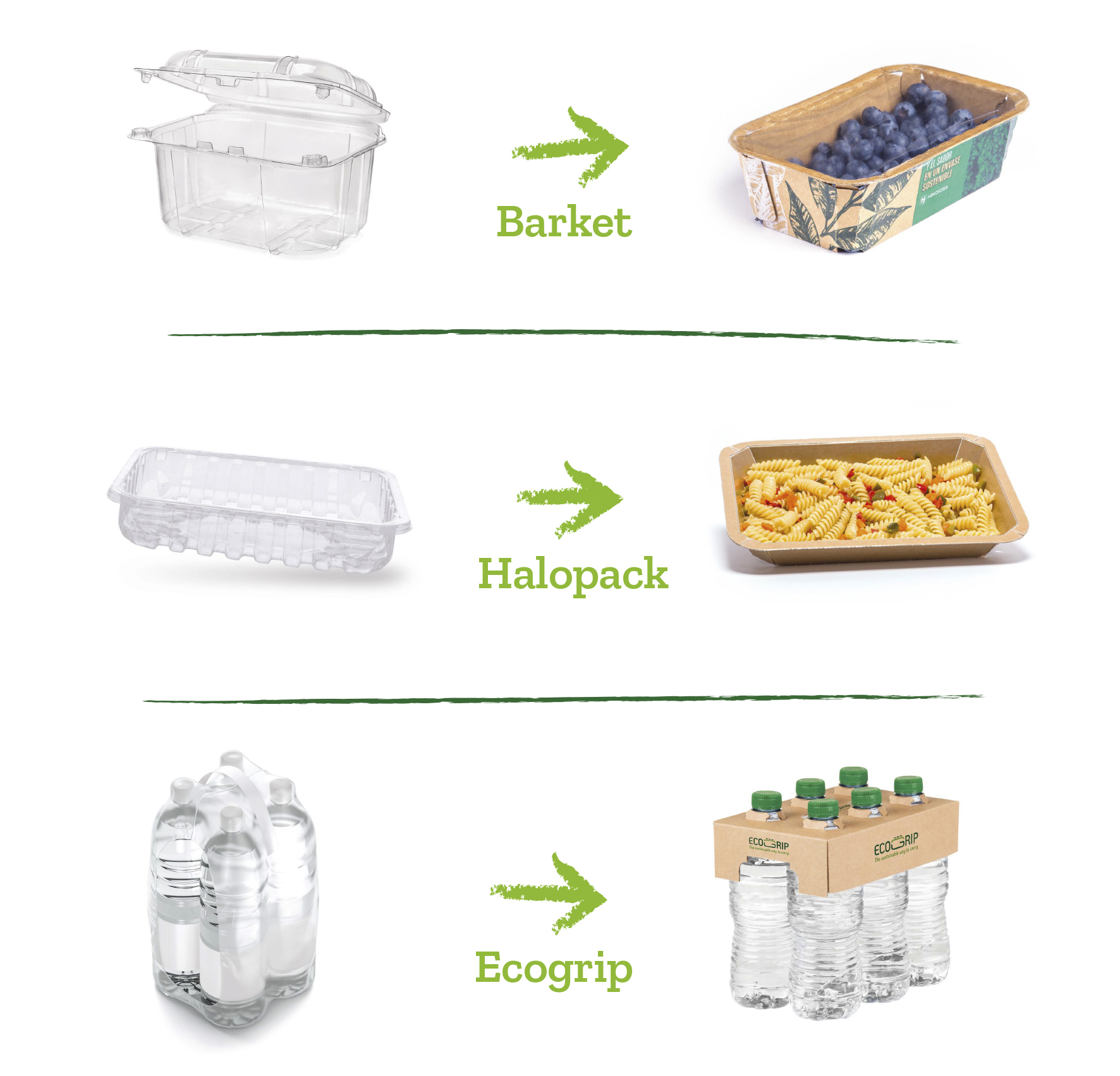
Plastic alternatives are materials designed to replace conventional plastics in packaging. These alternatives aim to reduce environmental harm by being biodegradable, compostable, or derived from renewable resources. Some of the popular alternatives include:
- Bioplastics: Made from plant-based materials like corn starch, sugarcane, or cellulose. They can be biodegradable or compostable.
- Paper and Cardboard: Renewable, recyclable, and increasingly used for packaging due to innovations that make them more durable and moisture-resistant.
- Mushroom Packaging: Created from mycelium (fungus roots), this material is biodegradable and compostable.
- Plant-based Films: Such as those made from seaweed or cellulose, offering flexibility similar to plastic wrap but environmentally friendly.
- Glass and Metal: Though heavier, these materials are recyclable and reusable alternatives for certain packaging needs.
How These Alternatives Are Changing the Packaging Industry
- Reduced Environmental Impact
Plastic alternatives decompose faster and are often made from renewable resources, drastically cutting down pollution and fossil fuel dependency. - Consumer Appeal
Eco-conscious consumers increasingly demand sustainable packaging. Brands using alternatives gain trust and loyalty, often differentiating themselves in crowded markets. - Regulatory Support
Governments worldwide are banning or taxing single-use plastics, encouraging companies to adopt alternatives to comply with new regulations and avoid penalties. - Innovation and New Market Opportunities
The rise of these alternatives is spurring innovation in packaging design and materials science, creating opportunities for startups and established companies alike. - Challenges and Considerations
While promising, alternatives come with challenges such as higher costs, supply chain adjustments, and performance differences. However, ongoing research is addressing these hurdles steadily.
Examples of Brands Leading the Change
- IKEA aims to use only renewable or recycled materials for its packaging by 2030.
- Lush Cosmetics uses compostable and biodegradable packaging for many of its products.
- Dell Technologies incorporates mushroom-based packaging to protect products sustainably.
What Can Consumers Do?
Consumers can support this positive change by:
- Choosing products with sustainable packaging.
- Properly recycling or composting packaging materials.
- Supporting brands committed to environmental responsibility.
Conclusion
Plastic alternatives are revolutionizing the packaging industry by offering sustainable, eco-friendly options that help combat pollution and protect the planet. While challenges remain, the combined efforts of businesses, consumers, and policymakers are paving the way for a greener future—one package at a time.