


















🚀 Introduction
India’s space program has made remarkable strides over the last two decades, and 2025 is set to be another landmark year. The Indian Space Research Organisation (ISRO) continues to push boundaries with ambitious missions, international collaborations, and technological advancements. This article covers the latest Indian space missions, upcoming launches, and India’s growing role in the global space community.
🌌 Key Space Missions in 2025
- Gaganyaan Mission (Second Crewed Flight):
Following the success of the uncrewed Gaganyaan test flight in 2023, ISRO is gearing up for the second crewed mission, expected to launch in late 2025. This mission will carry Indian astronauts (Vyomanauts) into low Earth orbit for up to 7 days. - Chandrayaan-4:
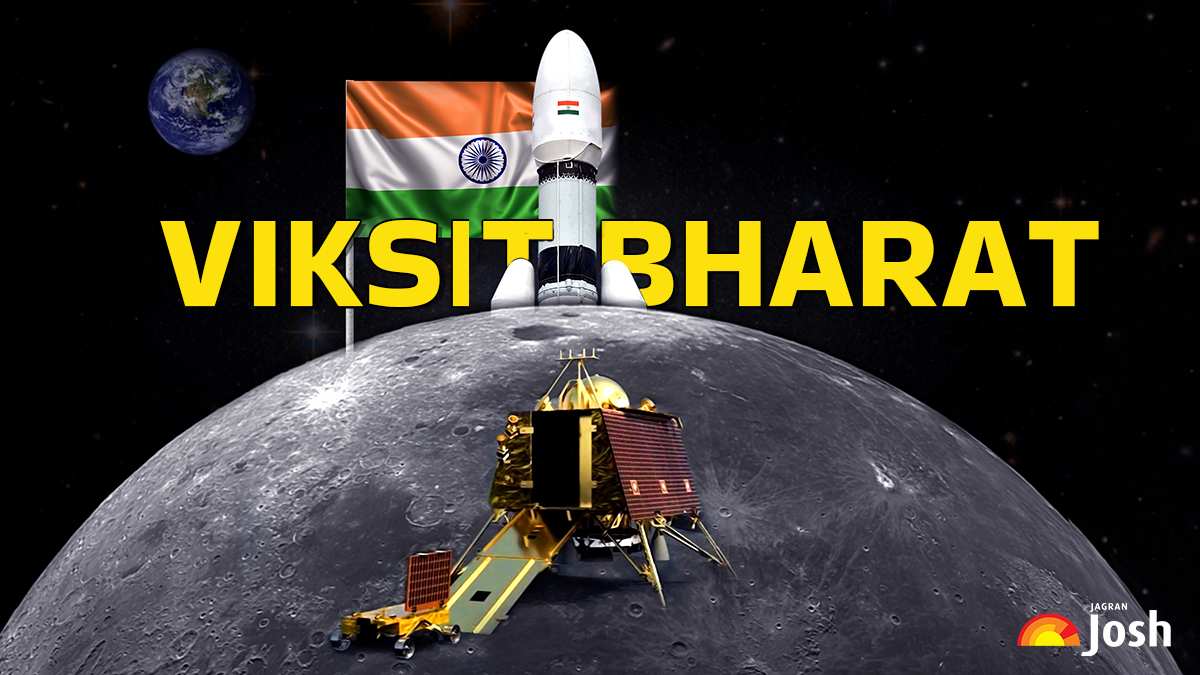
India’s lunar exploration continues with Chandrayaan-4, planned to focus on moon’s south pole to study water ice and geological formations. - Aditya-L1:
Launched in late 2024, the solar mission Aditya-L1 is set to provide unprecedented data about the sun’s corona and solar weather, crucial for space science and satellite safety. - RISAT-2BR2:
Earth observation satellite focused on all-weather surveillance and disaster management support.
🤝 International Collaborations
- India continues collaborations with NASA, ESA, Roscosmos, and private space companies worldwide.
- Joint satellite launches and deep space projects strengthen India’s position as a key space player.
- ISRO and the UAE Space Agency announced a moon exploration partnership in early 2025.
📡 Technological Innovations
- Development of Reusable Launch Vehicles (RLV) to reduce launch costs.
- Advances in miniaturized satellite technology (CubeSats and nanosats) for cost-effective data.
- Indigenous development of high-thrust cryogenic engines for heavy payloads.
💰 Space Economy Growth
- India’s space economy is projected to hit $10 billion by 2025, driven by satellite services, remote sensing, and commercial launch services.
- Increasing participation of private sector companies in satellite manufacturing and space tech startups.
- Government easing regulations to boost space entrepreneurship.
🧠 Challenges
- Budget constraints and competition with global space powers.
- Need for more robust infrastructure for deep space missions.
- Managing space debris and sustainability in low Earth orbit.
🌠 Future Outlook
India aims to:
- Conduct a human space station feasibility study.
- Expand its satellite internet constellation to bridge the digital divide.
- Lead the global effort on space debris management through innovation and policy.
🧠 Final Thought
India’s space ambitions in 2025 reflect a nation not just reaching for the stars but aiming to shape the future of space exploration. With visionary leadership, scientific prowess, and global partnerships, India is firmly on the trajectory to become a space superpower.