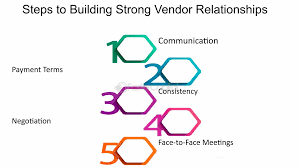



















Fun999Exch, Tigerexch247: Vendor relationship management is a strategic approach that organizations must prioritize to ensure successful partnerships with vendors. One key component is establishing clear expectations and deliverables at the outset of the relationship. This clarity helps to align both parties’ goals and avoid misunderstandings down the line. Additionally, fostering open communication channels is essential to promptly address any issues that may arise and maintain a positive working relationship.
Another vital component of vendor relationship management is regular performance evaluations and feedback sessions. By periodically assessing the vendor’s performance against predefined metrics, businesses can identify areas of improvement and recognize outstanding work. This feedback loop not only helps vendors understand expectations but also incentivizes them to continuously enhance their services to meet the organization’s needs.
Understanding the Importance of Vendor Security
In today’s interconnected business landscape, vendor security is a critical aspect that cannot be overlooked. Organizations often rely on a network of vendors to deliver goods and services, making it vital to ensure that these external partners adhere to stringent security measures. A breach in vendor security can not only jeopardize the sensitive data of the company but also harm its reputation and financial stability.
Many organizations store confidential information or process transactions through third-party vendors, heightening the importance of robust security protocols. With cyber threats becoming increasingly sophisticated, maintaining a proactive approach to vendor security is essential. By upholding stringent vendor security standards, companies can mitigate potential risks and safeguard their data assets from unauthorized access or exploitation.
Implementing Vendor Risk Assessments
To ensure operational stability and safeguard against potential risks, conducting regular vendor risk assessments is imperative for businesses of all sizes. These assessments involve evaluating the potential threats and vulnerabilities associated with each vendor to mitigate any adverse impact on the organization. By systematically analyzing the risks posed by vendors, companies can proactively address any vulnerabilities and implement necessary controls to protect their resources and reputation.
The process of vendor risk assessments typically involves assessing factors such as the vendor’s security measures, compliance with industry regulations, data protection protocols, and business continuity plans. Through these assessments, organizations can gain a comprehensive understanding of the risks posed by each vendor and prioritize their remediation efforts accordingly. By implementing vendor risk assessments as a core component of their vendor management strategy, businesses can strengthen their resilience to external threats and uphold the trust of their stakeholders.
Establishing Clear Communication Channels with Vendors
To ensure effective collaboration and smooth operations, establishing clear communication channels with vendors is paramount in today’s business landscape. Transparent communication fosters trust and accountability between the parties involved, leading to better alignment of goals and expectations. By setting up regular check-ins, utilizing various communication platforms, and defining key contacts for each party, businesses can streamline their interactions with vendors and resolve any issues promptly.
Moreover, maintaining open lines of communication allows for swift responses to changes in requirements or unforeseen challenges that may arise during the course of the partnership. Proactive communication not only enhances the efficiency of operations but also strengthens the relationship between the vendor and the company. By fostering a culture of transparency and responsiveness, businesses can mitigate risks, address concerns promptly, and cultivate a collaborative environment that promotes long-term success.
• Regular check-ins should be scheduled to discuss progress, challenges, and any upcoming requirements.
• Utilize various communication platforms such as email, phone calls, video conferences, or project management tools for effective communication.
• Define key contacts on both sides to ensure clarity on who to reach out to for specific issues or inquiries.
• Proactive communication is essential in addressing changes in requirements or unexpected challenges promptly.
• Foster a culture of transparency and responsiveness to enhance efficiency and strengthen the vendor-company relationship.
Why is establishing clear communication channels with vendors important?
Clear communication channels with vendors are important to ensure that both parties are on the same page, leading to better collaboration, problem resolution, and overall efficiency in the vendor relationship.
How can businesses improve communication with vendors?
Businesses can improve communication with vendors by setting clear expectations, maintaining regular contact, utilizing technology for efficient communication, and providing feedback in a constructive manner.
What are the key components of vendor relationship management?
The key components of vendor relationship management include establishing trust, setting clear expectations, maintaining open communication, conducting regular performance evaluations, and addressing any issues promptly.
How can businesses ensure vendor security?
Businesses can ensure vendor security by conducting thorough security assessments, implementing data protection measures, monitoring vendor activities, and establishing clear security protocols in vendor contracts.
Why is it important to conduct vendor risk assessments?
Conducting vendor risk assessments is important to identify potential risks associated with vendor relationships, such as data breaches, compliance issues, and financial instability, and to develop mitigation strategies to minimize these risks.