


















💼 Introduction
The work landscape in India is rapidly evolving in 2025, shaped by digital transformation, the rise of remote work, and the increasing adoption of automation and artificial intelligence (AI). This article examines the future of work in India, focusing on emerging trends, the impact on jobs, and the need for skill development to stay competitive.
🌐 Remote Work and Hybrid Models
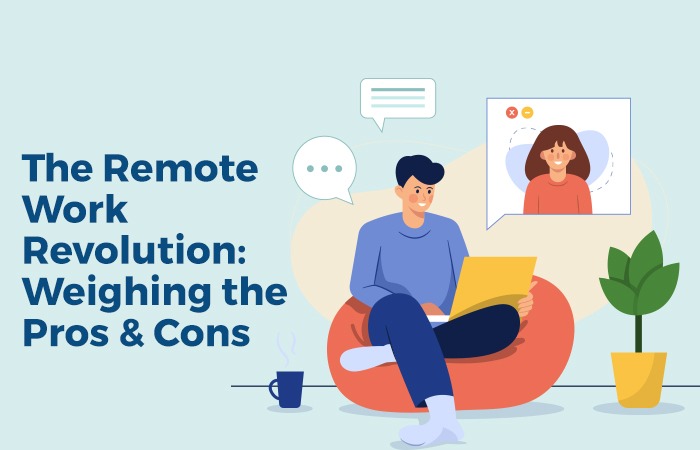
- Post-pandemic, remote work has become a permanent feature for many Indian companies, especially in IT, finance, and consulting sectors.
- Hybrid work models combining office and remote work are increasingly adopted to balance productivity and employee well-being.
- Growing infrastructure for remote collaboration, including video conferencing and cloud-based tools.
🤖 Automation and AI Impact
- Automation is transforming manufacturing, services, and administrative roles by taking over repetitive tasks.
- AI-driven tools are enhancing decision-making, customer service, and data analytics.
- Emerging roles in AI development, robotics maintenance, and data science are creating new job opportunities.
🎯 Skill Development and Reskilling
- Government initiatives like Skill India Mission are focusing on training workers for emerging technologies.
- Corporate upskilling programs in AI, cloud computing, cybersecurity, and digital marketing are becoming standard.
- Emphasis on soft skills such as adaptability, communication, and critical thinking alongside technical skills.
📊 Changing Job Market Trends
| Sector | Impact of Future Work Trends |
|---|---|
| IT & Software | Remote work expansion, AI development roles |
| Manufacturing | Increased automation, need for technical upskilling |
| Retail & Services | Digital platforms, personalized customer experiences |
| Healthcare | Telemedicine growth, AI diagnostics support |
🏛️ Government Policies
- Support for digital infrastructure development in rural and semi-urban areas.
- Incentives for companies adopting automation with workforce reskilling.
- Promotion of gig economy and freelancing through regulatory frameworks.
🌟 Challenges
- Risk of job displacement without adequate reskilling.
- Digital divide creating inequality in access to opportunities.
- Mental health and work-life balance concerns in remote setups.
🧠 Future Outlook
- India’s workforce is expected to become more flexible, tech-savvy, and innovation-driven.
- Collaboration between government, industry, and educational institutions will be critical.
- The rise of new career paths and entrepreneurship fueled by digital tools.
🧠 Final Thought
The future of work in India is a blend of technology, flexibility, and continuous learning. Embracing these changes proactively will empower India’s workforce to thrive in an increasingly digital and automated world.