


















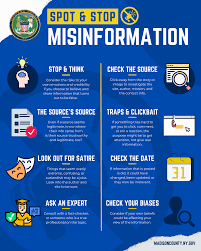
In an era where misinformation spreads rapidly across social media and news platforms, fact-checking has become a vital tool for maintaining the integrity of information. It helps ensure that the news we consume is accurate, trustworthy, and free from deception.
Let’s explore why fact-checking matters and how it helps combat fake news.
📢 What is Fact-Checking?
Fact-checking is the process of verifying information, claims, and sources in news stories to confirm their accuracy. It involves:
- Cross-referencing facts with credible sources
- Analyzing data and statistics
- Reviewing expert opinions
- Identifying misleading or false statements
⚠️ Why Fake News is a Problem
Fake news can:
- Mislead the public and create confusion
- Influence elections and public policies based on falsehoods
- Fuel social divisions and unrest
- Damage the reputation of individuals and organizations
Fact-checking helps prevent these consequences by exposing false claims.
🛠️ How Fact-Checking is Done
Fact-checkers use a mix of:
- Digital tools to track the origin and spread of information
- Collaboration with experts in various fields
- Transparency in correcting errors and updating stories
Many news organizations now have dedicated fact-checking teams.
🌐 Fact-Checking in the Digital Age
Social media platforms are increasingly partnering with fact-checkers to:
- Flag or remove false content
- Provide users with context and verified information
- Educate the public on identifying misinformation
✍️ Final Thoughts
Fact-checking is essential for a healthy, informed society. It empowers readers to discern truth from falsehood and helps journalists maintain credibility.
By supporting fact-checking initiatives, we can all play a role in combating fake news and promoting accurate information.