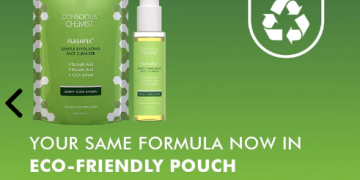








































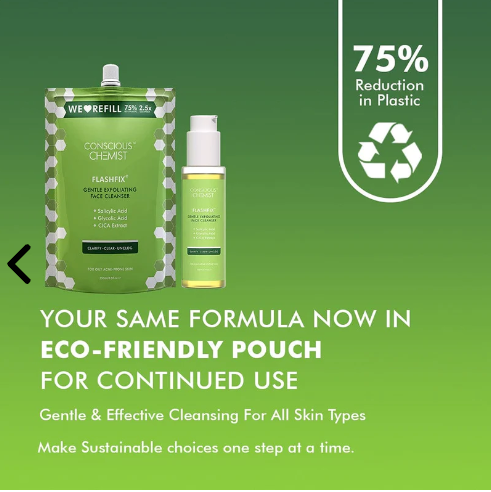
As sustainability becomes a global priority, more companies are jumping on the “green” bandwagon — at least in their advertising. But not all eco-friendly claims are genuine. This is where greenwashing comes in: when companies mislead consumers about how environmentally sound their products or practices really are.
Let’s unpack what greenwashing looks like — and how you can see through it.
🚨 What is Greenwashing?
Greenwashing is a marketing tactic used by brands to appear environmentally responsible without making meaningful efforts to reduce their actual environmental impact.
The term was coined in the 1980s when hotels asked guests to reuse towels “for the environment” while continuing wasteful practices behind the scenes.
🧪 Common Greenwashing Tactics
Here are red flags to watch for in ads, packaging, and social media:
- Vague Language
Words like “natural,” “eco-friendly,” or “sustainable” with no explanation or certification to back them up. - Irrelevant Claims
Highlighting a green feature that doesn’t really matter (e.g., “CFC-free” when CFCs are already banned). - Imagery Over Substance
Using green colors, leaves, and nature sounds to signal sustainability — with no real effort behind the scenes. - Hidden Trade-Offs
Promoting one positive aspect (like recyclable packaging) while ignoring harmful processes (like pollution-heavy production). - Lack of Transparency
No public reports, data, or third-party certifications about sustainability efforts.
🧠 How to Spot Real Sustainability
To protect yourself from falling for greenwashing, ask these questions:
- Is there proof? Look for certifications like FSC, Energy Star, Fair Trade, B Corp, or USDA Organic.
- Is it specific? Claims like “made with 80% recycled plastic” are better than just “eco-conscious.”
- Do they show progress? Real sustainable brands publish detailed impact reports and set measurable goals.
🌍 Real vs. Fake: A Quick Comparison
| Company Claim | Greenwashing or Not? | Why? |
|---|---|---|
| “Plastic-free packaging” | ✅ Likely Real | Clear, measurable, and specific |
| “Eco-smart technology” | ❌ Possibly Fake | Vague and unverifiable |
| “Carbon-neutral by 2030” | ✅ If Data Exists | Look for roadmap or independent verification |
| “All-natural ingredients” | ❌ Greenwashed Alert | Unless defined and certified, it’s just marketing |
🔍 Why It Matters
Greenwashing does more than mislead consumers — it also:
- Undermines genuine sustainable businesses
- Slows down environmental progress
- Promotes consumer cynicism about climate efforts
✅ Final Thoughts
Being an eco-conscious consumer today means staying informed. As more companies try to cash in on climate concern, you hold the power to demand transparency and reward honesty.
Don’t fall for the green glow — look deeper. 🌱