

































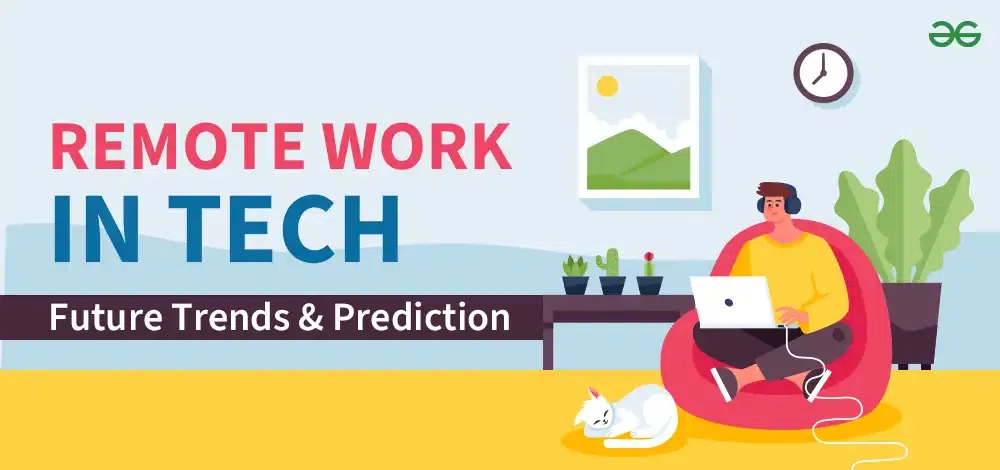
Remote work has surged from a niche option to a mainstream way of working, accelerated by global events and advancing technology. Understanding future trends can help businesses and employees adapt effectively.
The Rise of Remote Work
The pandemic showed that many jobs can be done efficiently outside traditional offices, prompting companies to embrace flexible work models.
Key Trends Shaping Remote Work
- Hybrid Models: Combining remote and in-office work to balance flexibility and collaboration.
- Advanced Collaboration Tools: Innovations in video conferencing, project management, and virtual reality enhance connectivity.
- Focus on Well-being: Employers prioritize mental health and work-life balance for remote teams.
- Global Talent Pool: Companies can hire talent from anywhere, increasing diversity and access to skills.
Challenges Ahead
- Communication Gaps: Maintaining clear and consistent communication remains vital.
- Cybersecurity Risks: Protecting data in distributed environments is a growing concern.
- Employee Engagement: Keeping remote teams motivated and connected requires new strategies.
Predictions for the Future
Remote work is expected to remain a permanent fixture, with evolving policies, technologies, and cultural shifts supporting its growth.
Final Thought
Adapting to the remote work future offers opportunities for greater flexibility, inclusivity, and innovation in the workplace.