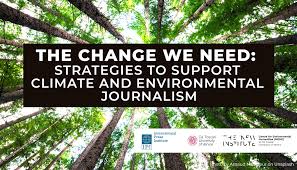



















Climate change is one of the most urgent issues facing humanity, yet reporting on it presents unique challenges for journalists. How the media covers climate stories can shape public understanding, influence policy, and drive collective action.
Let’s explore why climate change reporting is critical—and why it’s so complex.
🌡️ Why Climate Change Reporting Matters
Accurate, compelling journalism on climate change helps:
- Raise awareness about the causes and consequences
- Highlight the human impact and vulnerable communities
- Hold governments, corporations, and individuals accountable
- Inspire action to reduce carbon footprints and protect the planet
Good climate reporting can motivate people to make informed decisions and support sustainable policies.
⚠️ Challenges Journalists Face
Reporting on climate change isn’t easy:
- Scientific complexity: Climate science involves technical data and long-term projections that can be difficult to explain clearly.
- Misinformation and denial: Climate skepticism and denial campaigns can muddy the conversation and confuse audiences.
- Political polarization: Climate change can be a divisive political issue, affecting how stories are framed and received.
- Emotional fatigue: Constant exposure to dire warnings can cause audience apathy or “climate anxiety.”
Journalists must balance facts with storytelling that is both engaging and responsible.
🌍 Tools and Techniques in Climate Reporting
Effective climate journalism often involves:
- Using data visualization to make scientific information accessible
- Incorporating personal stories to humanize abstract concepts
- Collaborating with scientists and experts for accuracy
- Highlighting solutions and innovations alongside problems to inspire hope
📈 The Role of New Media
Digital platforms and social media allow climate journalists to:
- Reach younger, tech-savvy audiences
- Share multimedia content like videos, infographics, and podcasts
- Engage directly with the public through live Q&As and discussions
These tools are crucial in making climate coverage more interactive and widespread.
🔑 Why We Need Climate Journalism Now More Than Ever
The climate crisis is accelerating, and so is misinformation. Reliable media coverage helps society understand risks, adapt to changes, and push for meaningful solutions.
Journalists play a vital role in bridging the gap between complex science and public awareness.
✍️ Final Thoughts
Climate change reporting is not just about presenting facts—it’s about telling the story of our planet’s future and humanity’s role in it. With careful, clear, and courageous journalism, the media can empower people to confront this global challenge.