

















What is Spatial Computing?
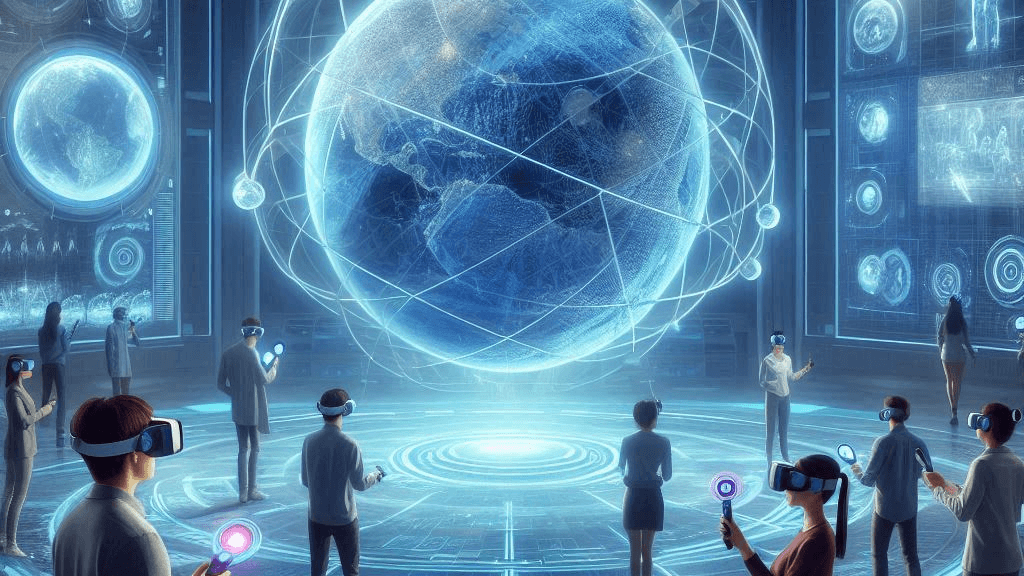
Spatial computing is a transformative technology that merges the physical and digital worlds by understanding and interacting with three-dimensional (3D) spaces. It leverages sensors, cameras, and AI to enable devices to “see” and respond to their environment.
Key Features:
- 3D Mapping: Creates detailed digital representations of physical spaces.
- Spatial Awareness: Devices can understand and track their location and orientation in the world.
- Interaction: Enables new ways to interact with digital content, like hand gestures, voice commands, or head movements.
Core Technologies:
- Augmented Reality (AR): Digital objects overlay the real world (e.g., Pokémon GO or AR shopping apps).
- Virtual Reality (VR): Immersive experiences in fully digital environments (e.g., gaming or remote collaboration).
- Mixed Reality (MR): Combines real and digital elements seamlessly, letting them interact in real time.
Applications:
- Retail: Virtual fitting rooms, AR shopping assistants, and 3D product demos.
- Education: Interactive 3D models and immersive lessons that bring concepts to life.
- Healthcare: Surgeons can plan and practice complex procedures using spatial computing.
- Real Estate: Virtual tours of properties for potential buyers, anywhere in the world.
- Manufacturing: Overlaying digital blueprints onto physical machines for real-time troubleshooting.
How It Works:
- Sensors & Cameras: Track depth, motion, and spatial coordinates.
- AI & Machine Learning: Analyze and interpret data to understand and react to surroundings.
- User Interfaces: Headsets, smartphones, and wearables that let users see and interact with digital overlays.
Emerging Tools and Players:
- Apple Vision Pro: Apple’s new AR/VR headset designed to bring spatial computing to the mainstream.
- Meta Quest: Popular VR/AR headset by Meta (formerly Facebook).
- Microsoft HoloLens: Used in enterprise applications like architecture and healthcare.
Challenges:
- Privacy & Data: Spatial computing collects lots of data about surroundings and movements, raising concerns about surveillance and data use.
- Hardware Limitations: Balancing powerful processing with lightweight, comfortable devices.
- Content Creation: Developing 3D experiences requires new tools and skills.
The Future:
- Blended Realities: As technology matures, spatial computing will make digital experiences feel even more natural and integrated.
- Work & Play: From virtual offices to immersive games, it’s changing how we live, work, and connect.
Spatial computing is opening doors to a more immersive and intuitive digital world. Want me to show how it’s being used in specific industries or help you visualize what a