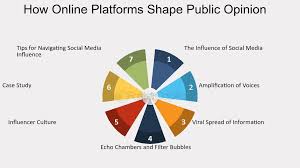


































Social media has revolutionized how news spreads and how public opinion is shaped. Platforms like Twitter, Facebook, and Instagram have become primary sources for many people to discover breaking news, share opinions, and engage in public discourse.
Let’s explore the powerful impact social media has on news trends and public opinion today.
🌐 The Speed of News Dissemination
Social media allows news to travel instantly across the globe. Breaking stories can trend within minutes, reaching millions of users in real time.
This immediacy means:
- News organizations often monitor social media for emerging stories.
- Citizen journalists and eyewitnesses can share firsthand accounts quickly.
- News cycles have accelerated, with continuous updates and live coverage.
📊 Shaping Public Opinion
Social media influences how people perceive news through:
- Algorithm-driven feeds: Platforms show content based on user interests, which can create echo chambers.
- Viral content: Memes, videos, and posts can sway opinions or spread misinformation.
- Hashtag movements: Campaigns like #MeToo and #BlackLivesMatter gained momentum largely through social media.
This dynamic empowers individuals but also challenges the quality and diversity of information.
🤔 Challenges and Risks
While social media democratizes information, it also brings risks:
- Misinformation and fake news spread rapidly and can be hard to correct.
- Polarization grows as people cluster around like-minded views.
- Manipulation by bots or trolls distorts conversations and public sentiment.
News organizations must adapt to fact-check and provide context in this fast-moving environment.
📰 Social Media’s Role in Journalism
Journalists use social media to:
- Source stories and gather public feedback
- Promote their work and reach wider audiences
- Engage directly with readers through comments and live sessions
This interaction changes the relationship between media and the public, making it more immediate and interactive.
🚀 The Future of News on Social Media
As platforms evolve with AI and new features, social media will continue to influence what news we see and how we discuss it.
Media literacy and responsible sharing will be key to navigating this landscape effectively.
✍️ Final Thoughts
Social media is a double-edged sword for news—fueling speed and engagement, but also posing challenges to truth and diversity. Understanding its impact is essential for both news producers and consumers in today’s digital age.