






































Protein-rich Indian vegetarian foods are everywhere in the Indian kitchen, which is great news for anyone trying to build muscle without eating meat. From humble dals to paneer and soya, India offers a rich variety of plant-based and dairy sources that can comfortably support strength and fitness goals. This guide breaks down the best options, how much protein you need, and how to combine foods for the best results.
Why protein matters for muscle building
Protein supplies the amino acids your body uses to repair and grow muscle after exercise. Without enough of it, even the best workout plan delivers slow results. For people who are active or lifting weights, protein needs are higher than for someone with a sedentary lifestyle.
A common myth is that vegetarians cannot get enough protein. In reality, a well-planned Indian vegetarian diet can meet most people’s needs, as long as it includes a variety of sources spread through the day rather than relying on a single food.
Timing also helps. Spreading your protein across breakfast, lunch, snacks and dinner is generally more effective for muscle repair than eating most of it in one large meal. Including some protein soon after a workout, such as a glass of milk or a bowl of sprouts, can support recovery and is an easy habit to build.
Best protein-rich Indian vegetarian foods
Dals and legumes
Lentils and beans are the backbone of Indian protein. Moong, masoor, toor, chana and rajma all provide a solid dose of protein along with fibre that keeps you full. A bowl of dal with every main meal is a simple, affordable way to boost your intake.
Paneer and dairy
For lacto-vegetarians, paneer is an excellent muscle-building food, rich in protein and easy to add to curries, wraps or grilled snacks. Milk, curd and chaas also contribute protein along with calcium, making them valuable daily additions.
Soya and tofu
Soya chunks and tofu are among the most protein-dense vegetarian foods available in India. Soya is considered a complete protein, meaning it contains all essential amino acids, which makes it especially useful for those focused on building muscle.
Chana, rajma and chickpeas
Chickpeas and kidney beans pull double duty as both protein and fibre sources. Roasted chana makes a convenient, portable snack, while chole and rajma turn everyday meals into protein-rich plates.
Nuts, seeds and more
- Peanuts and almonds for snacking and added healthy fats.
- Pumpkin and sunflower seeds sprinkled over meals.
- Sprouted moong and chana for light, nutritious salads.
- Besan in chillas and snacks as a tasty protein boost.
These add up quickly through the day. A handful of peanuts with your evening tea, a spoon of seeds over your curd, and a bowl of sprouts as a snack can collectively contribute a meaningful amount of protein without any special effort or expensive products.
Whole grains and millets
Often overlooked, grains and millets contribute protein too. Bajra, jowar, ragi and quinoa carry more protein than refined options and bring extra fibre and minerals. Swapping some refined flour for millets in your rotis is an easy upgrade that supports both muscle building and overall health.
How to combine foods for complete protein
Most individual plant foods are slightly low in one or more amino acids, but combining them solves this neatly. The classic Indian pairing of dal with rice or roti, for example, creates a more complete protein profile together than either does alone. Other smart combinations include:
- Rajma or chole with rice.
- Curd with paratha or rice.
- Sprouts mixed with peanuts.
- Besan chilla with a side of curd.
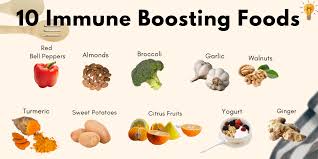
Eating a variety of these across the day naturally covers your amino acid needs without any complicated planning. A balanced vegetarian plate also supports overall wellness, a theme we explore in our guide to the best immunity-boosting foods to stay healthy naturally.
A simple one-day protein plan with Indian foods
Seeing how protein-rich Indian vegetarian foods fit into a normal day makes the idea far less intimidating. Here is an example built around familiar meals that an average adult could follow and adjust to taste:
- Breakfast: Two besan chillas or a bowl of moong sprouts with a glass of milk.
- Mid-morning: A handful of roasted chana or peanuts with a bowl of curd.
- Lunch: Two rotis, a bowl of dal or rajma, a portion of paneer or soya sabzi, and curd.
- Evening: A glass of chaas or a small bowl of sprouted moong salad with your tea.
- Dinner: Tofu or paneer with vegetables, a bowl of dal, and a millet roti.
This kind of spread keeps protein flowing through the day without any powders or imported products. Tweak the portions to match your appetite, your activity level and, if needed, the advice of a qualified dietitian.
Building muscle on an Indian budget
One of the biggest advantages of protein-rich Indian vegetarian foods is how affordable they are, so you do not need imported supplements to make progress. Dals, chana and soya are among the cheapest protein sources per gram available anywhere, often costing a fraction of what packaged protein products do. A week’s worth of moong, chana and rajma can cost less than a single tub of protein powder, while milk and curd from your local dairy add even more protein at a modest price. Buying whole pulses in bulk, sprouting your own moong at home, and cooking in larger batches all stretch your budget further. For most people, consistency with these everyday foods matters far more than any expensive product.
Common mistakes that slow down muscle building
Even with the right foods on the plate, a few habits can quietly hold back your progress:
- Relying on a single source: Eating only paneer or only dal misses the benefit of variety and a fuller amino acid profile.
- Skipping protein at breakfast: Many Indian breakfasts are carb-heavy, so adding sprouts, milk, curd or besan helps balance the day.
- Ignoring total calories: Muscle needs enough overall energy, not just protein, so avoid undereating when training hard.
- Forgetting recovery: Sleep and rest days are when muscle actually grows, so pair good food with good rest.
Fixing these small things often makes a bigger difference than chasing the single highest-protein food.
Adjusting protein-rich foods for your goal and age
The same protein-rich Indian vegetarian foods can be tuned to suit different people and goals. Someone in their twenties doing heavy strength training will simply eat larger portions of dal, paneer and soya, while an older adult focused on staying strong and mobile benefits from steady, easy-to-digest sources like curd, moong dal and milk spread through the day. Women who train often worry about getting enough protein without overeating, and a plate built around sprouts, tofu, dairy and pulses handles this comfortably. Teenagers and growing children also need good protein for development, ideally from whole foods rather than supplements. Whatever your stage of life, pair these foods with regular activity and enough sleep, and check with a doctor or dietitian before making big changes if you have a health condition such as kidney trouble or diabetes.
How much protein do you actually need?
Protein needs vary with body weight, activity level and goals. People who are active or training to build muscle generally need more than those with a sedentary routine. Rather than chasing exact numbers, focus on including a protein source in every meal and a couple of protein-rich snacks through the day. If you have specific medical or fitness goals, it is wise to consult a qualified dietitian.
For trustworthy nutritional guidance tailored to Indian diets, the National Institute of Nutrition under the ICMR publishes useful dietary recommendations worth referring to.
Balancing tradition and modern nutrition
Indian cooking blends taste, tradition and nutrition beautifully, and you do not have to abandon familiar foods to eat well. Many people wonder whether to lean on time-tested wisdom or modern science, a debate we discuss in our article on Ayurvedic versus modern medicine and what works better. The most practical approach usually combines the best of both: enjoy traditional protein-rich dishes while keeping portion sizes and overall balance in mind.
Frequently asked questions
Can vegetarians build muscle without supplements?
Yes. A varied diet rich in dals, paneer, soya, dairy and nuts can meet most people’s protein needs. Supplements are a convenience, not a necessity, for the average person.
Which is the highest protein vegetarian food in India?
Soya chunks and tofu rank among the most protein-dense options, with paneer and dals also being excellent everyday sources.
Is paneer good for muscle building?
Yes. Paneer is rich in protein and easy to include in many dishes, making it a popular and effective choice for vegetarians aiming to build muscle.
How can I get enough protein as a vegan in India?
Focus on soya chunks, tofu, dals, chana, rajma, peanuts, seeds and millets, and combine grains with pulses across the day. Fortified plant milks and a varied plate can comfortably meet most needs without any animal products.
Do I need protein powder to build muscle?
No. Protein powder is only a convenient extra. A varied diet of protein-rich Indian vegetarian foods, eaten consistently alongside regular training, is enough for most people. Consult a dietitian before adding supplements for specific goals.
Building muscle on a vegetarian diet is entirely achievable in India, thanks to the wealth of protein-rich foods already on your plate. Combine dals, dairy, soya, beans and nuts across your meals, stay consistent with your training, and you can reach your fitness goals while enjoying the food you love.