


















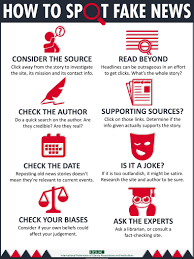
In an era flooded with information, the spread of fake news has become a serious concern. False or misleading information can influence opinions, fuel division, and even affect elections. Fact-checking has emerged as a crucial tool in the fight against misinformation.
Let’s dive into how fact-checking works and why it’s vital for preserving trust in news.
🧐 What Is Fact-Checking?
Fact-checking involves verifying the accuracy of claims made in news stories, social media posts, speeches, and other information sources. It relies on evidence, credible sources, and expert analysis to separate truth from falsehood.
🔍 How Fact-Checking Helps
- Prevents misinformation spread: By debunking false claims, fact-checkers help stop rumors from going viral.
- Educates the public: It encourages critical thinking and media literacy.
- Holds sources accountable: Politicians, corporations, and media outlets face scrutiny for their statements.
🛠️ Fact-Checking Tools and Methods
- Cross-referencing with official records and databases
- Consulting subject matter experts
- Using reverse image searches and metadata analysis for digital content
⚠️ Challenges in Fact-Checking
- The speed of misinformation often outpaces verification efforts.
- Bias accusations can undermine fact-checkers’ credibility.
- Limited resources and manpower restrict coverage scope.
✍️ Final Thoughts
Fact-checking is a cornerstone of responsible journalism and an essential defense against fake news. Encouraging fact-checking habits among readers strengthens the overall media environment.