









































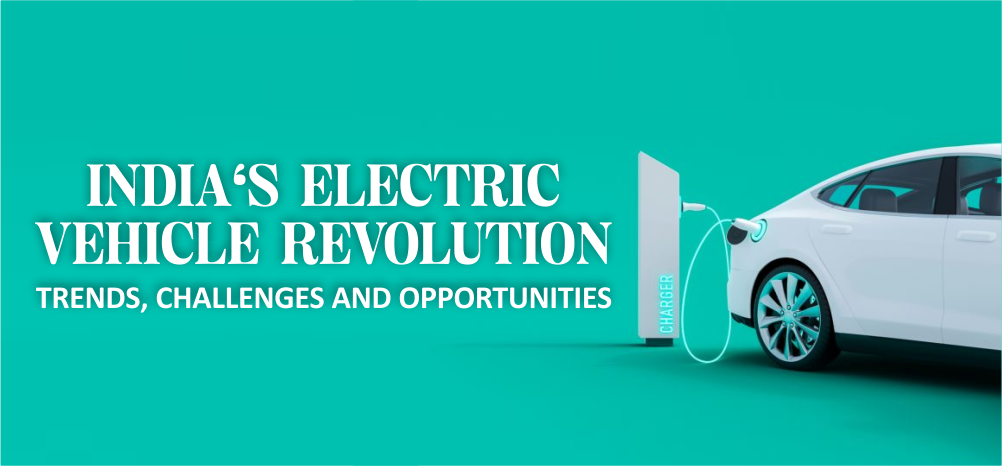
Electric Vehicles (EVs) are no longer just a buzzword in India—they’re becoming a real and rapidly growing movement. With government initiatives, rising fuel costs, and increased environmental awareness, the EV sector is gaining serious momentum.
Let’s explore what’s powering this shift, what’s slowing it down, and what the future holds.
🚘 The EV Boom: Why Now?
India is witnessing a steady increase in EV adoption due to several factors:
- Government Push: Schemes like FAME II (Faster Adoption and Manufacturing of Hybrid and EVs) and PLI (Production Linked Incentive) for battery production are making EVs more accessible.
- Rising Fuel Prices: Skyrocketing petrol and diesel rates are pushing consumers to look for cost-effective alternatives.
- Environmental Awareness: With growing concern over air pollution and carbon emissions, EVs offer a cleaner, greener solution.
- Better Technology: Improved battery life, design, and performance are making EVs more reliable and appealing.
📊 Key Trends in India’s EV Ecosystem
- Two-Wheeler Dominance
Electric scooters and bikes are leading the EV wave due to affordability and ease of use. - Growing Charging Infrastructure
Startups and energy giants are investing in nationwide charging stations to boost accessibility. - Corporate & Fleet Adoption
Companies like Zomato, Swiggy, and Amazon are switching their delivery fleets to EVs to cut costs and emissions. - EV Startups on the Rise
Indian startups like Ather Energy, Ola Electric, and Revolt Motors are disrupting the market with innovation.
⚠️ Challenges Facing the EV Revolution
- Range Anxiety: Consumers still worry about battery range and the availability of charging stations.
- High Initial Cost: EVs, especially four-wheelers, remain more expensive upfront compared to traditional vehicles.
- Limited Models: Consumers have fewer choices in the EV segment.
- Battery Recycling: Proper disposal and recycling of lithium-ion batteries is still a challenge in India.
🌱 Opportunities Ahead
- Job Creation: EV production and infrastructure will generate millions of new jobs in manufacturing, tech, and logistics.
- Export Potential: India can become a global hub for affordable EV production.
- Smart Cities Integration: EVs will play a crucial role in the development of sustainable and tech-driven urban transport.
🔋 What’s Next?
With more affordable models, fast-charging tech, and policy support, India’s EV future looks promising. If adopted wisely and inclusively, EVs could reshape India’s transportation and economy while reducing our carbon footprint.
Conclusion:
The EV revolution is real and it’s accelerating. Whether you’re a consumer looking for your next ride or a business eyeing the green economy, now’s the time to pay attention to electric mobility in India.