







































Recognising the signs of problem gambling early can protect your money, your health and your relationships before things get worse. Problem gambling is a real behavioural condition, not a lack of willpower, and it can affect anyone who plays online games, fantasy contests or places bets. This guide explains the warning signs in plain language and points you to genuine help available in India. It is meant for awareness only and is open to adults aged 18 and above.
What Problem Gambling Actually Means
Problem gambling is when betting or gaming starts to harm your life but you find it hard to stop. It exists on a scale. At one end is casual, controlled play with money you can afford to lose. At the other end is compulsive gambling, where the urge feels impossible to resist even when you know it is causing damage.
The important point is that the harm is not only financial. It also touches mental health, sleep, work and family life. Many people do not notice the slide because it happens slowly, one “just one more” decision at a time. That is why learning the signs matters.
It also helps to drop the stigma. Problem gambling is recognised by health experts as a behavioural condition, much like other addictions, and it can be managed with the right support. Blaming yourself or a loved one rarely helps. Understanding the signs calmly, and acting on them, does.
Early Signs of Problem Gambling to Watch For
The clearest signs of problem gambling usually appear in three areas: emotions, behaviour and money. You do not need every sign to have a problem. Even a few, appearing often, are worth taking seriously.
Emotional and mental signs
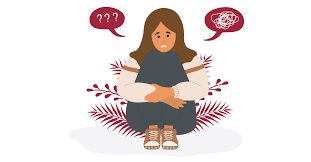
- Feeling restless, anxious or irritable when you are not playing.
- Thinking about betting or fantasy contests constantly, even at work or during meals.
- Gambling to escape stress, loneliness, boredom or low mood.
- Feeling guilt or shame after playing, then doing it again anyway.
Behavioural signs
- Spending far more time playing than you planned.
- Trying to win back losses by betting more, often called “chasing losses”.
- Lying to family or friends about how much you play or lose.
- Neglecting work, studies, sleep or responsibilities to keep playing.
Financial signs
- Spending money meant for rent, bills, EMIs or groceries.
- Borrowing money, taking loans or selling belongings to keep gambling.
- Hiding bank statements or being secretive about transactions.
- Repeatedly breaking your own deposit limits.
Why Chasing Losses Is the Most Dangerous Sign
Of all the signs of problem gambling, chasing losses is the one that drives the most harm. The logic feels reasonable in the moment: “If I just win this back, everything will be fine.” But the odds do not reset, and a bigger bet usually means a bigger loss. This is how small, manageable losses turn into serious debt. If you notice yourself increasing stakes purely to recover what you lost, treat it as a clear red flag and step away.
How Online Play Can Hide the Problem
Online cricket IDs, betting apps and fantasy platforms are designed to be fast, always available and cashless. That convenience can make harmful play harder to notice. There is no physical cash leaving your hand, notifications pull you back in, and you can play at 2 a.m. without anyone seeing. Setting firm money rules is one of the best protections. Our guide on setting a budget and bankroll limits for online gaming explains practical ways to cap your spending before you start.
Where to Get Help in India
If you or someone close to you shows these signs, help is available and reaching out is a sign of strength, not weakness. Below are genuine, free or low-cost resources in India.
- Tele-MANAS is the Government of India’s national mental health helpline. Call 14416 (or 1-800-891-4416), available 24×7 in multiple Indian languages. Counsellors can listen, assess your situation and refer you to professional care.
- NIMHANS, Bengaluru runs a Service for Healthy Use of Technology (SHUT clinic) and de-addiction services that cover behavioural addictions, including gambling.
- Licensed psychologists and psychiatrists can diagnose gambling disorder and offer counselling such as cognitive behavioural therapy.
- A trusted family member or friend can help, because telling one person you trust breaks the secrecy that keeps the problem alive.
This article cannot replace professional advice. If you ever have thoughts of self-harm or feel unable to cope, please contact Tele-MANAS on 14416 or reach out to a doctor immediately.
How to Support Someone Who Is Struggling
If you suspect a family member or friend has a gambling problem, approach them with care rather than blame. Choose a calm moment, share what you have noticed without judgement, and listen more than you speak. Avoid lending them money to cover losses, as this often makes the cycle worse. Encourage them to call a helpline or see a professional, and offer to go with them. Recovery is usually a slow process with setbacks, so patience matters.
Practical Steps to Regain Control
If you decide to cut back or stop, these steps can help:
- Set strict deposit and time limits, and use any self-exclusion or “cool-off” tools the platform offers.
- Hand control of your finances to a trusted person for a while.
- Block gambling apps and remove saved payment methods.
- Replace the habit with other activities that fill the same time, such as sport, family time or a hobby.
- Speak to a counsellor early rather than waiting for a crisis.
For more habits that keep play safe and controlled, see our guide on responsible gaming and how to bet safely and set limits.
A Quick Self-Check You Can Do Honestly
One way to gauge where you stand is to answer a few plain questions truthfully. These are awareness prompts, not a medical diagnosis, but answering “yes” to several is a strong signal to take a break and seek support.
- Have you spent more time or money on gaming than you intended, more than once?
- Have you tried to cut down or stop, but found you could not?
- Have you bet more to try to win back what you lost?
- Have you lied to family or friends about how much you play?
- Have you felt restless or irritable when not playing?
- Have you borrowed money, or used money meant for bills, to keep playing?
If you recognise yourself in several of these, it does not mean you have failed; it means the habit is worth addressing now, while it is easier to change. The earlier you act, the more options you have.
Myths and Facts About Problem Gambling
Misunderstandings keep many people from getting help. Clearing them up makes it easier to act early and without shame.
| Myth | Fact |
|---|---|
| “It is just a lack of willpower.” | Problem gambling is a recognised behavioural condition, not a character flaw, and responds to proper support. |
| “You must gamble daily to have a problem.” | Harm is about impact, not frequency. Occasional play that damages finances or relationships still counts. |
| “A big win will fix the losses.” | The odds do not reset. Chasing a win back usually deepens losses and debt. |
| “Only people with no money are affected.” | It affects people across all incomes and backgrounds, including those who seem financially comfortable. |
| “Asking for help is shameful.” | Reaching out is a practical, strong step, and free confidential help exists in India. |
How It Affects Family Finances and What to Protect First
Problem gambling rarely stays a private matter, because the money usually comes from a shared household. Funds meant for rent, EMIs, school fees, groceries or medical needs can quietly drain away, and borrowing to cover losses can pull a whole family into debt. The damage is often hidden until a missed payment or a loan call brings it into the open.
If you are protecting a household, a few steps help limit the harm. Keep essential money, savings and emergency funds in an account the person who is struggling cannot easily access. Avoid co-signing new loans or repeatedly clearing gambling debts, as this tends to enable the cycle rather than end it. Watch for high-interest borrowing, which can turn a manageable problem into a crisis. Most importantly, treat the financial side and the emotional side together: securing the money buys time, but lasting recovery usually needs counselling and support alongside it.
Frequently Asked Questions
What are the first signs of problem gambling?
The earliest signs are usually spending more time and money than planned, thinking about gambling often, and feeling restless when not playing. Chasing losses and hiding play from family are stronger warning signs that the habit is becoming harmful and needs attention.
Is there a free helpline for gambling problems in India?
Yes. Tele-MANAS, the Government of India’s mental health helpline, can be reached free on 14416 or 1-800-891-4416, 24×7 in many Indian languages. Trained counsellors offer support and can refer you to professional treatment near you.
Can problem gambling be treated?
Yes. Gambling disorder is a recognised condition that responds to counselling, cognitive behavioural therapy and, in some cases, support groups. Many people recover with the right help. Reaching out early to a mental health professional gives the best chance of regaining control.
How do I help a family member with a gambling problem?
Talk calmly and without blame, listen to them, and avoid giving money to cover their losses. Encourage them to call a helpline like 14416 or see a professional, and offer to support them through it. Recovery takes time and patience.
Is problem gambling the same as a daily habit?
No. The defining feature is harm and loss of control, not how often you play. Someone who gambles occasionally but spends money meant for essentials, chases losses or hides it from family can have a problem, while frequency alone does not decide it. Impact on your life is what matters.
Can I help someone who refuses to admit there is a problem?
Yes, gently. Avoid blame and ultimatums, share specific things you have noticed calmly, and keep the door open. Do not lend money to cover losses, as it often prolongs the cycle. Protect shared finances, and let them know help such as Tele-MANAS on 14416 is available whenever they are ready.
Conclusion
The signs of problem gambling rarely appear all at once, which is exactly why awareness matters. If betting or online gaming is costing you more money, time or peace of mind than you can afford, treat it as a signal to pause and seek support. Help in India is real, free and confidential through services like Tele-MANAS on 14416. Online gaming is for adults 18 and above, carries genuine financial risk, and is regulated differently across Indian states. Looking after your wellbeing always comes first.