









































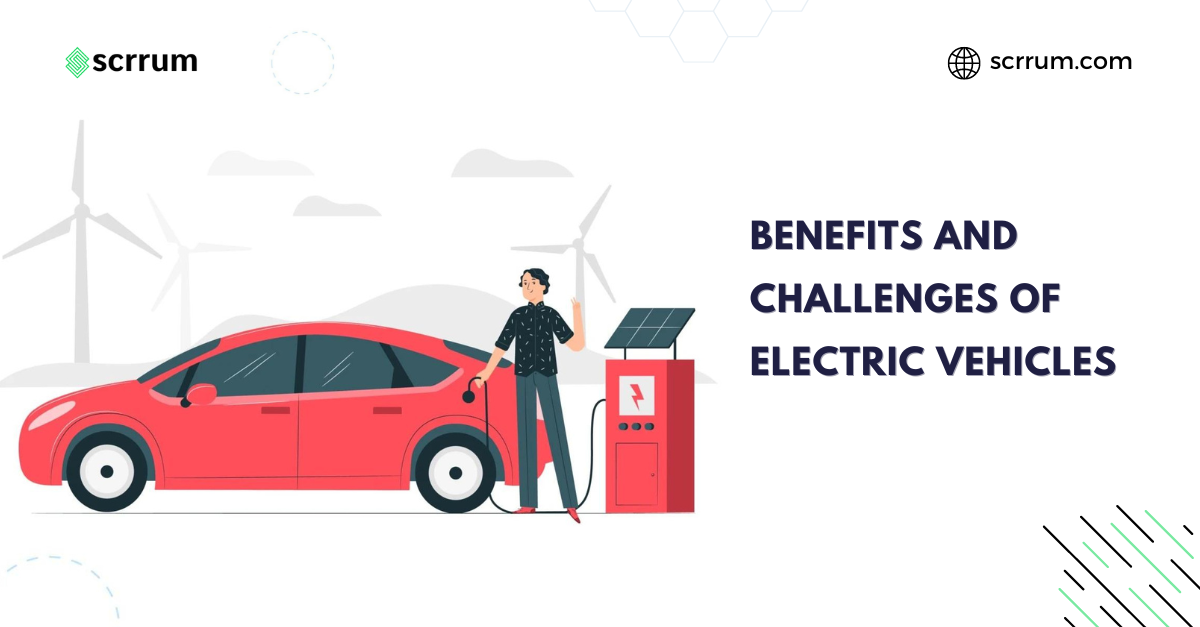
Electric vehicles (EVs) are revolutionizing the automotive industry, offering an eco-friendly alternative to traditional gasoline-powered cars. As more people embrace EVs, it’s important to understand both their advantages and the hurdles they face.
Benefits of Electric Vehicles
- Environmental Impact: EVs produce zero tailpipe emissions, helping reduce air pollution and combat climate change.
- Lower Operating Costs: Electricity is generally cheaper than gasoline, and EVs require less maintenance due to fewer moving parts.
- Quiet and Smooth Ride: Electric motors provide a quieter and smoother driving experience.
Challenges Facing EV Adoption
- Charging Infrastructure: Limited public charging stations can create range anxiety for drivers.
- Battery Life and Disposal: Battery degradation over time and the environmental impact of battery disposal remain concerns.
- Initial Cost: Although prices are falling, EVs often have a higher upfront cost compared to conventional vehicles.
The Road Ahead
Governments and companies worldwide are investing in better battery technology and expanding charging networks, making EVs more accessible and practical.
Final Thought
Electric vehicles represent a promising step toward sustainable transportation, but continued innovation and infrastructure development are essential for widespread adoption.