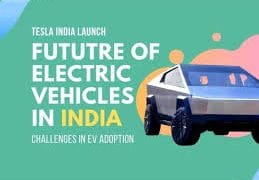










































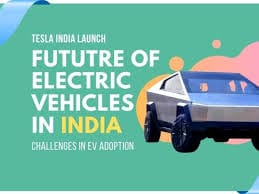
The future of mobility in India is electric! As the country races to combat air pollution, reduce carbon emissions, and modernize transportation, electric vehicles (EVs) have emerged as a promising solution.
Let’s take a closer look at India’s EV revolution, its potential, and the road ahead.
🌟 Why Electric Vehicles?
✅ Cleaner Air: EVs produce zero tailpipe emissions, helping to combat air pollution in cities.
✅ Reduced Carbon Footprint: Shifting from petrol/diesel to electric helps in fighting climate change.
✅ Lower Operating Costs: EVs have fewer moving parts and require less maintenance, making them cheaper to run in the long term.
✅ Energy Security: Reduces dependence on imported crude oil, strengthening India’s energy independence.
⚡ India’s EV Push
🔹 Government Incentives: The FAME India Scheme (Faster Adoption and Manufacturing of Electric Vehicles) provides subsidies and incentives for EV buyers and manufacturers.
🔹 Charging Infrastructure: Efforts are underway to expand EV charging stations across highways and urban centers.
🔹 State-Level Policies: States like Delhi, Maharashtra, and Tamil Nadu have launched EV policies to support adoption.
🔹 Automakers on Board: Companies like Tata, Mahindra, Ola Electric, and Ather are driving innovation in the EV space.
🚗 Key Developments and Trends
✅ E-2-Wheelers Boom: Electric scooters and motorcycles are gaining huge popularity for urban commuting.
✅ Electric Cars: Models like the Tata Nexon EV and MG ZS EV are making EVs more accessible.
✅ Electric Buses: Several cities are investing in electric buses to green their public transport fleets.
✅ Battery Swapping: Innovative solutions like battery-swapping stations are emerging to address range anxiety.
🚧 Challenges Ahead
🔹 Charging Infrastructure: India needs a robust network of charging stations to support widespread EV adoption.
🔹 High Initial Costs: Though cheaper in the long run, EVs still have a higher upfront cost compared to conventional vehicles.
🔹 Battery Supply Chains: Securing raw materials and recycling used batteries sustainably.
🔹 Awareness and Adoption: Many consumers are still unfamiliar with the benefits and use of EVs.
💡 The Road Ahead
✅ Government’s Target: India aims to achieve 30% EV penetration in new vehicle sales by 2030.
✅ Investment in R&D: Companies and startups are investing in better battery technologies and indigenous manufacturing.
✅ Renewable Energy Integration: Linking EVs with solar and wind energy to create a cleaner grid.
✅ Skilling and Jobs: The EV sector is expected to create new opportunities for skilled labor in manufacturing, maintenance, and services.
🌟 Final Thoughts
India’s electric vehicle revolution has the potential to transform how we move — making it cleaner, quieter, and more sustainable. With the right policies, infrastructure, and awareness, the dream of an all-electric future could soon be a reality.
💬 Are you excited about switching to an electric vehicle? Share your experiences, questions, and thoughts in the comments!
Would you like me to include a section on the latest EV models or compare electric vs. petrol/diesel vehicles? Let me know! 🚗⚡✨Tools